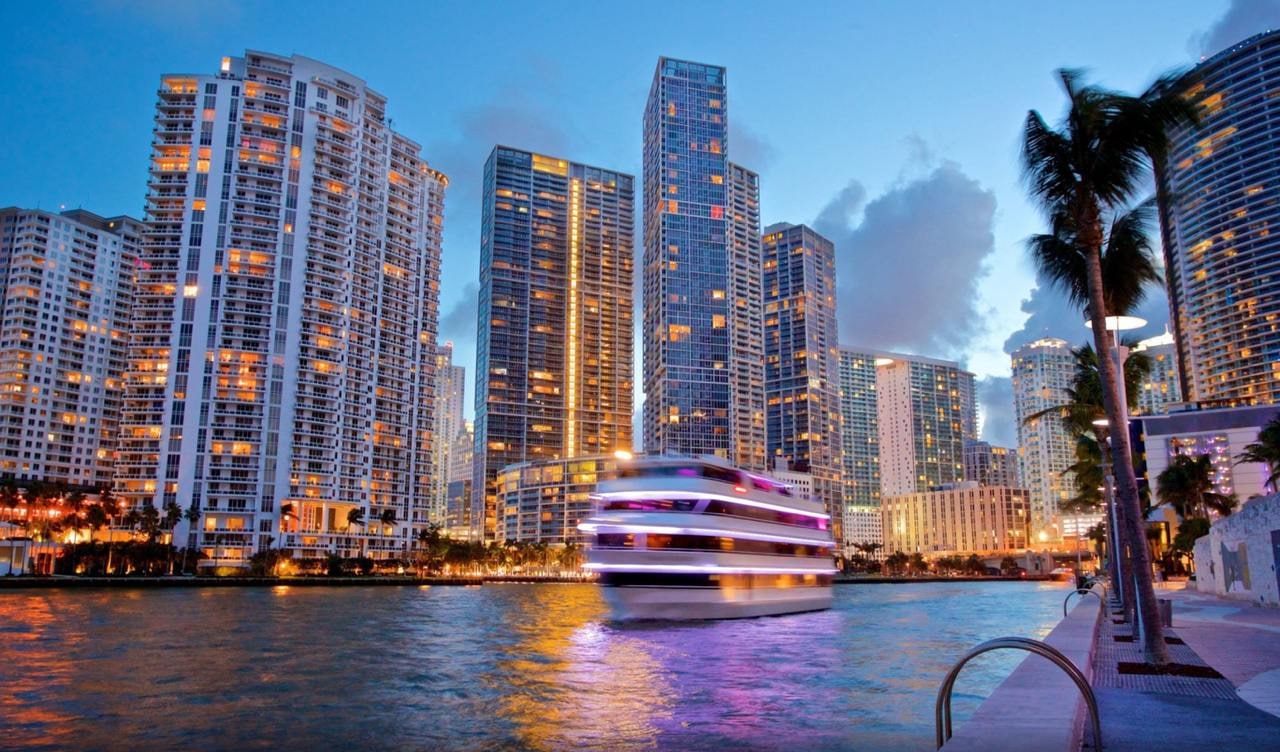

A buyer’s guide to looking past the presentation and finding the property that makes sense for the way you actually want to live.
Miami is very good at making real estate desirable.
A buyer opening a new-development presentation today can find almost everything: waterfront views, private clubs, wellness spaces, restaurants, concierge services, dramatic architecture and some of the most recognizable names in hospitality, fashion and design.
The problem is no longer finding an impressive property.
There are plenty of them.
The harder part is deciding which one makes sense for you.
That distinction matters because the Miami luxury market has become increasingly sophisticated. Buyers are not simply comparing square footage and location anymore. They are comparing different lifestyles, different levels of service, different neighborhoods and very different ideas of what luxury should feel like.
And once several projects reach a high enough standard, choosing between them becomes less obvious.
That is when I think buyers need to stop asking:
“Which project is the best?”
And start asking:
“Which project is the best fit for what I actually need?”
The search should start before the property search
A beautiful building can solve the wrong problem perfectly.
Before looking seriously at individual projects, I think a buyer should define what the Miami property is supposed to be.
A primary home?
A place to spend several months each year?
A vacation residence?
An investment?
A combination of personal use and rental flexibility?
These may all fall under the category of “luxury real estate,” but they lead to very different decisions.
Someone planning to live in Miami full-time may care about daily convenience, storage, privacy, traffic patterns and how functional the residence feels on an ordinary Tuesday.
Someone arriving several times a year may place far more value on service, security and the ability to leave without managing the property constantly.
An investor will look at the same residence through another lens entirely.
So before comparing marble, pools and views, I would first define the job the property needs to do.
That eliminates more options than most buyers expect.
The address is part of the product
Miami is often discussed as one luxury market.
For a buyer, that is not particularly useful.
Brickell, Coconut Grove, Coral Gables, Miami Beach, Surfside, Bal Harbour and Sunny Isles can all offer high-end real estate, but they do not offer the same daily experience.
And that experience matters.
A buyer may love a residence and still dislike what surrounds it.
Another may initially overlook a project because the building itself seems less dramatic, then realize that the location fits the way they intend to use Miami much better.
This is why I would never reduce location to a line saying “10 minutes from” something.
The more important questions are practical.
Where will you actually spend your time?
What do you want within walking distance?
How often will you drive?
Do you want activity around you or separation from it?
When you imagine leaving the building in the morning, what do you want outside the door?
A property does not exist separately from its neighborhood.
You are buying both.
A brand should give you something beyond a name

Miami is now one of the world’s major markets for branded residences.
That creates another layer of choice.
A recognizable name can absolutely matter. A strong brand may bring an established approach to service, hospitality, design or the overall resident experience.
But I would still ask a very simple question:
What changes because this brand is here?
If the answer is meaningful to you, the brand can be an important part of the purchase.
If the primary value is simply recognition, that may still matter to some buyers. But it should be understood for what it is.
A logo alone does not tell you whether you will enjoy living in the building.
The more useful exercise is to separate the name from the actual product.
What service are you receiving?
What design decisions are genuinely distinctive?
Who operates the residence?
What aspects of the experience are tied to the brand?
And which of those things matter to you personally?
The objective is not to decide whether branded or unbranded is better.
It is to understand what you are paying for.
Stop counting amenities
Amenities are one of the easiest ways to compare projects and one of the easiest ways to compare them badly.
A longer list does not necessarily mean a better building.
The question is whether those amenities improve your life enough to justify being part of the property you own and maintain.
A buyer who swims every morning will evaluate a pool differently from someone who visits Miami four times a year.
Someone who entertains frequently may place real value on private dining or entertaining spaces.
Someone else may never use them.
The same applies to wellness facilities, lounges, sports areas, private clubs and the increasingly elaborate services offered by new developments.
Instead of asking how many amenities a building has, I prefer three questions:
Which ones will I actually use?
Which ones materially improve the experience of owning here?
Which ones am I paying for mainly because they photograph well?
That usually produces a much more useful comparison.
Renderings are selling the future
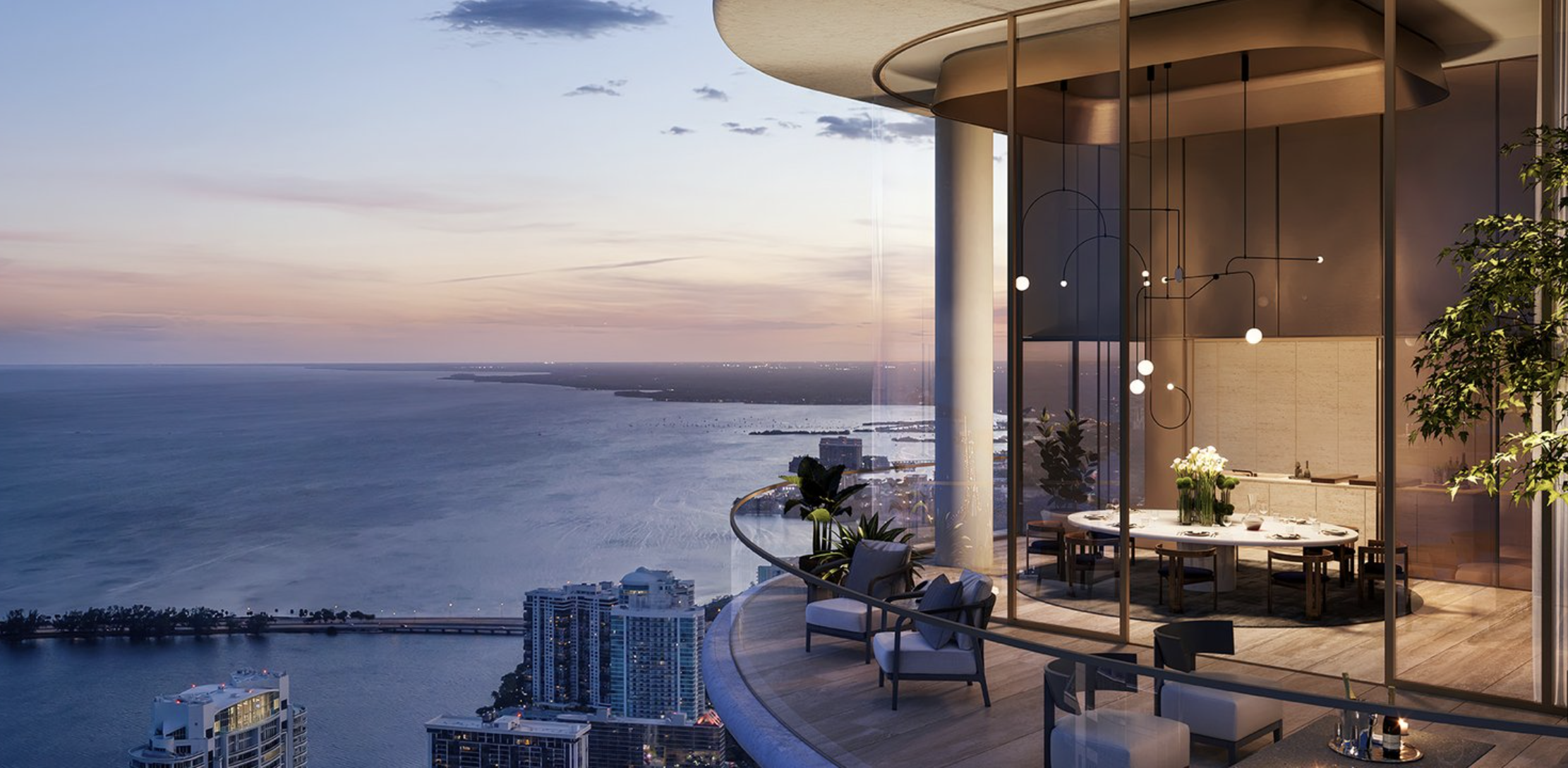
Pre-construction requires a different kind of discipline because buyers are making decisions about something they cannot yet experience completely.
The presentation has to be compelling.
That is its job.
But the buyer’s job is different.
The buyer has to imagine the ordinary version of the property.
Not opening night.
Not the sales gallery.
Not the first week after receiving the keys.
Regular life.
How does the floor plan work once there is furniture in it?
Where does everything go?
How private is the residence?
How practical is arrival and departure?
What will surround the property?
Which views are protected and which depend on what happens nearby?
What are the ownership rules that could affect how you want to use the residence?
Those questions are much less glamorous than choosing finishes.
They are also the questions that remain after the launch campaign is gone.
Expensive and valuable are not the same thing
Price is easy to compare.
Value is more personal.
A premium can make sense when it buys something a particular buyer genuinely values: a difficult-to-replicate location, privacy, service, architecture, views or another characteristic that materially changes the ownership experience.
But the same premium can be irrelevant to somebody else.
This is why price per square foot, while useful, cannot make the decision on its own.
Two residences can be close in size and price and still represent completely different purchases.
The question I find more useful is:
What exactly am I paying extra for here?
Then take the answer one level further:
Would I personally miss it if I did not have it?
If the answer is no, it probably should not be determining the purchase.
A good search gets smaller, not bigger
Buyers sometimes assume that seeing more properties means doing better research.
At the beginning, that can help.
Eventually, it becomes counterproductive.
Once twenty projects start blending together, another sales presentation rarely creates clarity.
The purpose of understanding the buyer is to make the shortlist smaller.
If ten buildings technically fit the budget but only three fit the buyer’s priorities, those are the three worth understanding deeply.
And sometimes the conclusion will be that a resale residence is a better choice than new construction.
Sometimes an unbranded property makes more sense than a branded one.
Sometimes a buyer starts in one neighborhood and ends up choosing another.
That is not a problem with the search.
That is what the search is supposed to reveal.
The questions I would ask before buying
Before making a decision, I would want a buyer to be able to answer these clearly:
What role will this property have in my life?
Why this neighborhood?
Which features will I actually use?
What am I paying a premium for?
What am I giving up to get it?
Would I still want this residence without the brand name?
Would I still want it if a newer project launched next year?
And finally:
Can I explain why this property is right for me without using the words “luxury,” “exclusive” or “iconic”?
If the answer is yes, the decision is probably becoming much clearer.
More choice makes good advice more important
Miami’s luxury market continues to attract ambitious projects and global residential brands. That gives buyers access to an unusually broad range of high-end real estate.
But the abundance of choice changes the role of an agent.
Access to listings is no longer enough.
Most buyers can discover beautiful properties themselves.
The more valuable work is helping them understand the differences that are harder to see in a brochure, deciding which differences actually matter, and eliminating the projects that do not fit.
Because the goal is not to find the most impressive residence in Miami.
There may not even be such a thing.
The goal is to find the one that still makes sense after the presentation is over