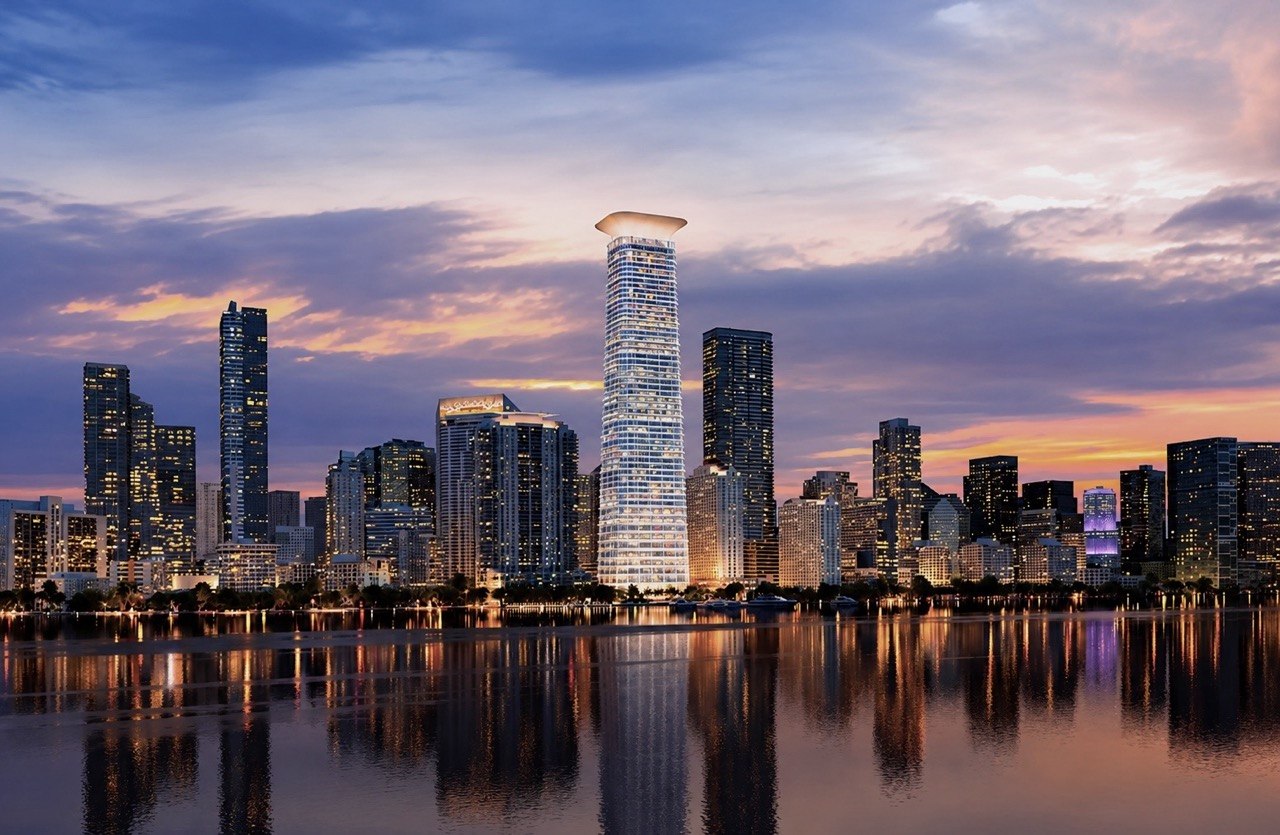
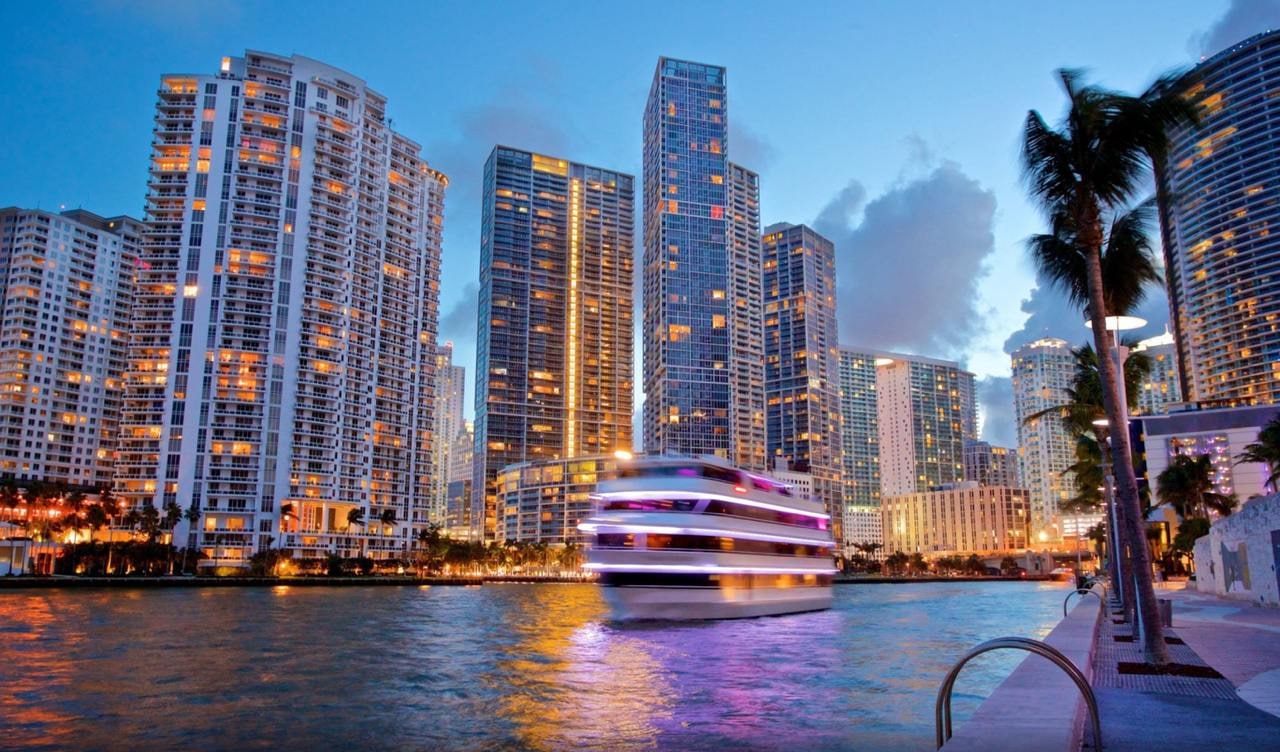
A luxury condo can have the same ocean view, the same square footage, and the same neighborhood as another building nearby. So why would someone pay 30% more for one address/?
Because in branded residences, the product is not only the apartment. It is the promise behind it.
For buyers exploring luxury condos in Miami, this is becoming a bigger question every year. The city has seen a growing number of branded developments, from hotel-connected residences to fully independent luxury towers. But does a famous name actually create long-term value, or are buyers simply paying for a logo?
The answer is more complicated.
How much is the branded residence premium?
According to Savills’ Branded Residences Report 2025/26, branded residences globally trade at an average premium of around 33% compared with comparable non-branded properties.
The premium changes depending on the market.
Resort destinations show some of the strongest premiums, averaging around 39%. Established and emerging cities average closer to 30%. In major global cities, the premium is lower, around 24%, because buyers often prioritize location, architecture, and the surrounding neighborhood over the brand name itself.
Knight Frank research places the premium range around 20% to 35%, while also highlighting stronger resale performance and rental demand for many branded properties.
The important point is this: the brand creates value, but the brand alone does not guarantee success.
Why do buyers pay more for branded residences?

1. Service and operations
The biggest advantage of a branded residence is often the experience after the purchase.
A recognizable hospitality brand brings expectations about service standards, staff training, maintenance, and daily operations. Companies such as Four Seasons, Mandarin Oriental, Aman, Marriott, and Accor have built reputations around consistent experiences.
The real value is not the name on the wall. It is the system behind it.
A beautiful lobby looks great on opening day. The question is whether the building still feels special five or ten years later.
2. Resale confidence
Real estate is emotional, but buyers still want reassurance.
When someone purchases a residence connected to a respected brand, they often feel they understand what they are buying. The next buyer sees a familiar name and may require less explanation about quality, service expectations, and positioning.
That does not mean every branded residence automatically keeps its value. Location, building management, fees, and market conditions still matter.
A famous name can open the door. It cannot fix a bad property.
3. Design as a long-term asset
Some branded residences create value through architecture and interiors.
A building designed around a recognizable vision can become more than a collection of apartments. It becomes a specific product with its own identity.
This is especially important in markets like Miami, where buyers are choosing between many luxury developments.
4. Scarcity
Limited supply creates part of the appeal.
A brand usually does not place its name on every building in every city. The idea is exclusivity.
But this advantage changes when too many similar branded projects appear in one market.
When does the brand premium stop making sense?
This is where buyers need to be careful.
Savills notes that the brand name itself is not enough. Buyers are becoming more selective and looking at the quality of execution, service culture, design, and long-term operations.
In other words, the brand is an invitation, not the final decision.
Another important factor is understanding what type of brand partnership exists.
Some buildings use a licensing agreement, where a company allows its name to be used. Others involve deeper collaboration, including design and operational control.
These are very different products, even if both have a famous name above the entrance.
Miami buyers should also pay attention to ongoing costs.
Luxury services are not free. Concierge teams, amenities, and additional building operations are reflected in monthly HOA fees. A buyer should understand these expenses before deciding if the premium makes financial sense.
A beautiful lobby is great. A surprise HOA bill is less exciting.
Where is the brand premium the strongest?
The highest premiums usually appear in developing luxury markets where international brands represent status and trust.
Savills research has shown examples where branded residences achieved significantly higher premiums compared with local non-branded competitors.
However, as markets mature and more branded projects appear, the difference often becomes smaller.
This matters for Miami.
Miami has become one of the world’s major luxury real estate destinations, which means buyers have more branded options than before. That also means the name alone is becoming less important. The building itself has to earn the premium.
What is changing in the branded residence market?
The category is expanding beyond traditional hotel residences.
Standalone branded residences, without a connected hotel, have grown significantly since 2018. More fashion, automotive, and luxury lifestyle brands are entering the space, including names such as Armani, Fendi, Versace, Bentley, Lamborghini, and others.
For buyers, this creates more choice.
It also creates a bigger responsibility to research what exactly is being offered.
Questions to ask before buying a branded residence in Miami
Before purchasing a Miami pre-construction condo or luxury residence, ask:
Is this a licensed brand or a full development partnership?
The difference can affect the long-term value of the property.
Who operates the building and for how long?
A strong operator is often more important than the logo.
What are the yearly HOA and service costs?
Luxury amenities come with ongoing expenses.
What happens if the brand leaves?
A buyer should understand the agreement structure and possible future scenarios.
Are there many similar branded projects coming nearby?
More supply can affect how unique the property feels.
FAQ
How much more do branded residences cost?
According to Savills, branded residences globally sell at around a 33% premium compared with comparable non-branded properties, although the difference varies by location and market conditions.
Do branded residences hold their value?
Many branded residences show strong resale appeal, but the brand name alone does not guarantee appreciation. Location, building quality, management, and expenses remain important factors.
Is a branded residence worth it in Miami?
It depends on the property. In Miami, where luxury development is growing quickly, buyers should compare the brand, location, HOA costs, and long-term value instead of paying only for the name.
Final thoughts
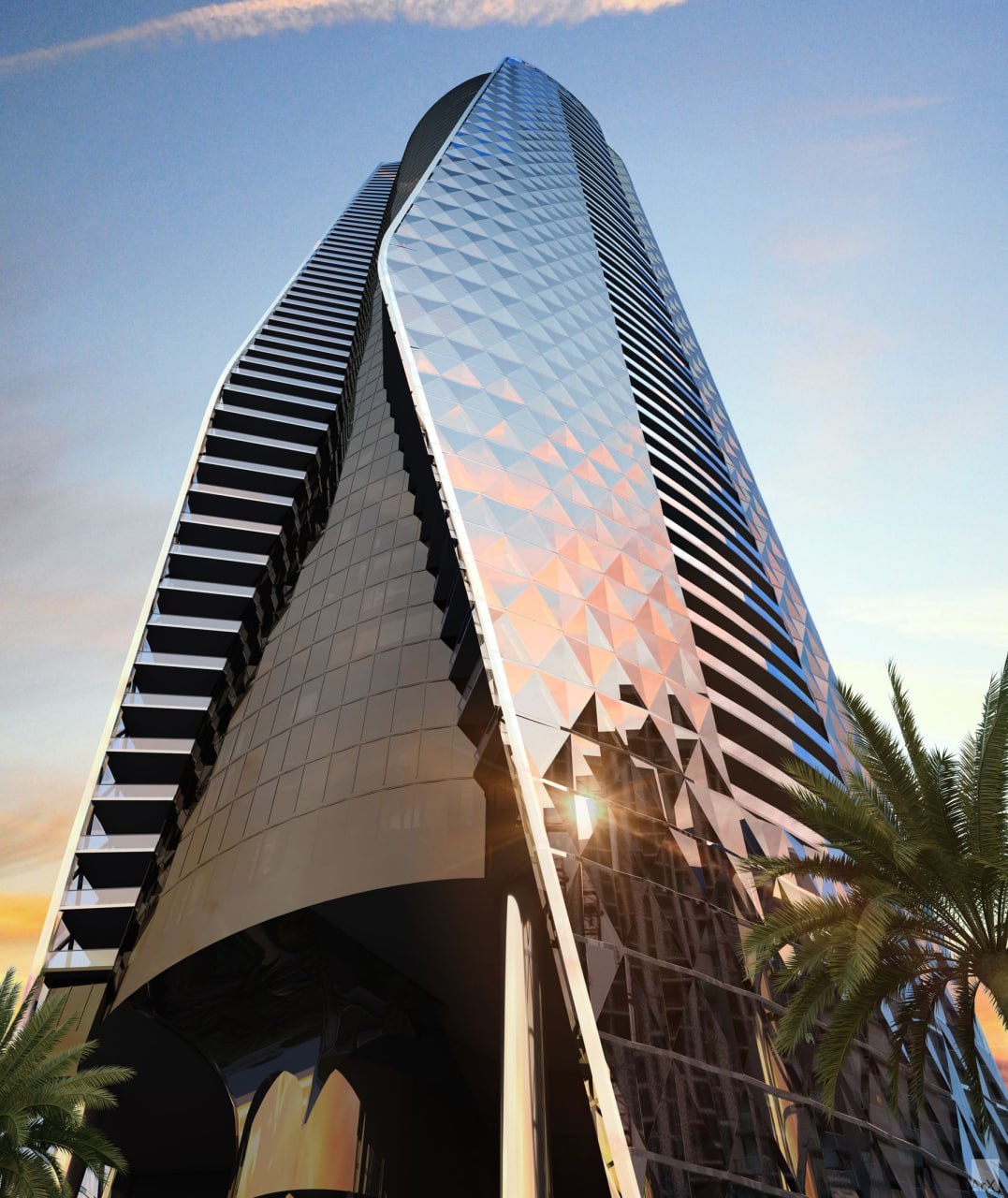
A branded residence can be a smart purchase when the brand represents real quality, not just marketing.
The best buyers do not ask only, “What name is on the building?”
They ask, “What exactly am I getting for the premium?”
For anyone considering buying a condo in Miami, especially in the luxury and pre-construction market, having someone who understands both the lifestyle side and the numbers can make the process much clearer.
Irina Velychko helps buyers evaluate Miami real estate opportunities with a local perspective, focusing on what creates real value beyond the first impression.